

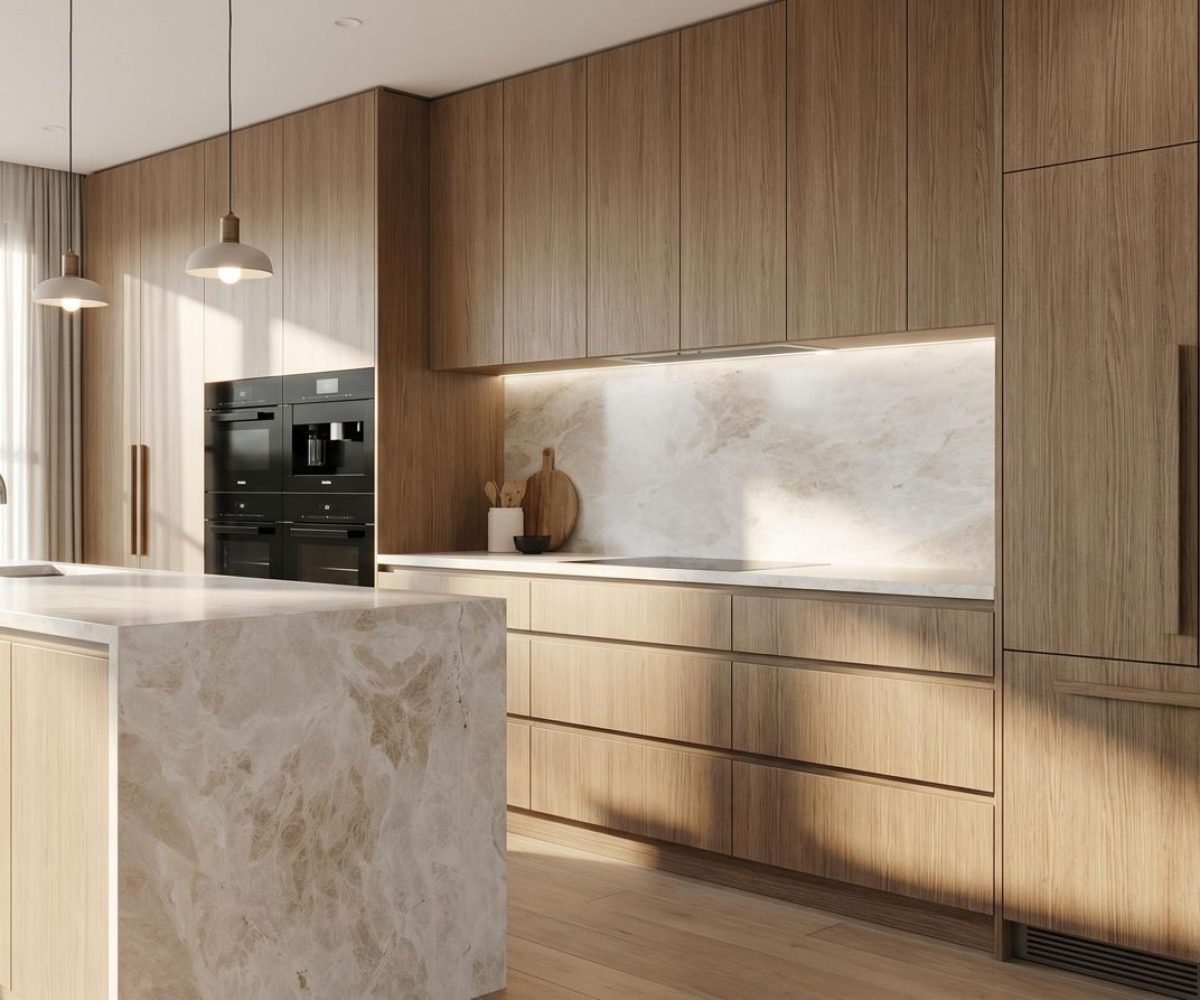
If you have started collecting quotes for a new kitchen, you have probably noticed that cabinetry is where the numbers jump around the most. One quote lands at $9,000. Another, for what looks like the same kitchen, comes in at $38,000. Neither is necessarily wrong.
The expense of kitchen cabinets varies depending on the materials used, how they are designed, how many components are included, and who performs the installation. In any kitchen remodel, cabinets are usually the most expensive part, comprising about 40 – 60% of the total kitchen budget, so it is important to know them well.
In this guide, we will walk you through realistic 2026 price ranges for Australian homes. Additionally, we explain what you are paying for and show where you can save without regretting it later. We have also covered timber veneer and bathroom vanities, because those questions come up constantly.
Table of Contents
ToggleWhat Is the Average Cost of Kitchen Cabinets in Australia?
Usually, almost all kitchens around Australia have at least 6-10 linear meters of cabinetry (base plus overhead). Prices are usually provided on a linear meter basis, which is helpful for initial comparisons; however, such pricing does not reflect drawer count or furniture such as corner units, tall pantries, and appliance housing, which will bring the amount to a very different figure.
Here below, one can find a rough guide for a kitchen with 6-10 linear meters of cabinetry only (excluding countertops, backsplashes, and appliances):
| Cabinet type | Typical cost range |
|---|---|
| Flat pack (DIY assembly) | $3,500 to $8,000 |
| Semi-custom | $8,000 to $15,000 |
| Custom joinery | $15,000 to $30,000 |
| Premium custom | $40,000 to $60,000+ |
The cost of custom cabinets in Melbourne ranges from $900 to $2,500 per linear metre installed but can be slightly different depending on the supplier and state. Remember to always check the itemised quote before proceeding.
Flat Pack vs Semi-Custom vs Custom
Flat packs are great for simple designs and budget-conscious customers, but standard dimensions seldom suit an Australian wall properly. Hence, common applications of filler panels. The semi-custom type is based on standard designs but is made specifically for the customer. Custom is built to your exact measurements, which suits older homes, unusual layouts and anyone who wants specific storage built in.
Looking to upgrade your kitchen cabinets but short on budget?
Cost Breakdown: Where the Money Actually Goes
Carcasses
The carcass is the box behind the door. The main type of board used in kitchens throughout Australia is high moisture resistant (HMR) melamine board. This material performs well in moist environments, such as those having sinks and dishwashers. An upgrade to plywood carcasses usually results in a rise of anywhere between 10 and 25 percent in costs, but is advisable for areas where moisture is common or for people who are planning on using the kitchen for longer than normal.
Doors and Drawer Fronts
Without a doubt, this is the most variable quote because of its visibility within the quote, namely: this would start from the lowest cost and go towards the highest.
- Thermolaminate (also called vinyl wrap): it is generally considered to be the cheapest but can peel off around hot ovens if it is not adequately treated.
- Laminate or melamine: considered durable and cost-effective, and available in unlimited shades and wood textures.
- Acrylic: has smooth and glossy texture and is cheaper than 2-pac.
- 2-pac polyurethane: a sprayed finish that typically adds 20 to 40 per cent over melamine, with unlimited colour choice.
- Timber veneer: natural grain, at or above the price of 2-pac (more on this below).

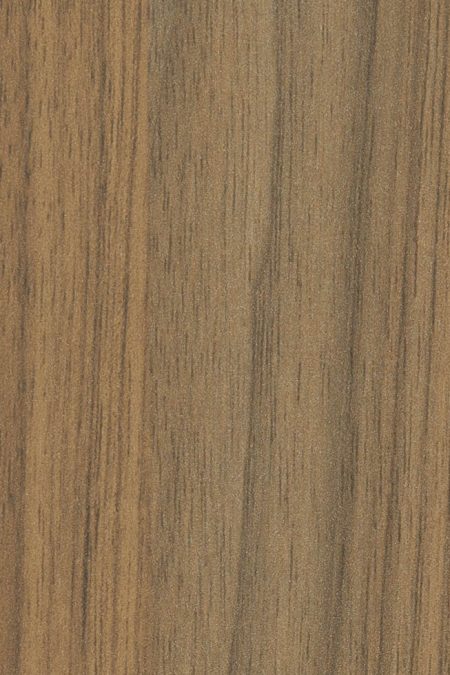
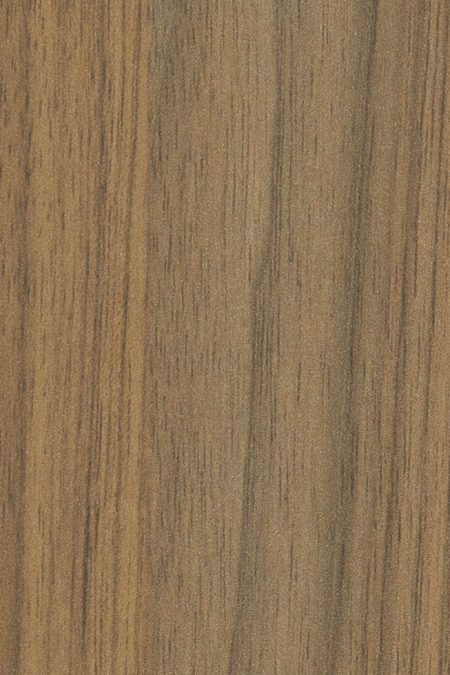

When opting for melamine instead of 2-pac for the layout in question, it is possible to save up to 60%. Therefore, this one choice tends to affect your budget more than any other factor.
Benchtops
When estimating cabinet costs, it is important to remember that benchtops are often quoted separately. However, these benchtops account for as much as 30% of the overall cabinetry expenditure, which means that they should be accounted for early on. Laminate is most economical. It should be noted that engineered stone, natural stone, and porcelain cost significantly more, with the gap between laminate and marble top costing about $10,000 for a standard kitchen.
Also Read:- Kitchen Renovation Cost in Melbourne: A Detailed Guide
Hardware
While hinges, drawer runners, and handles may appear small, yet the sum of them is significant. Low-quality hardware can work well with renting or tight renovation jobs. Still, it will break sooner rather than later. High-quality soft-close mechanisms by Blum and Hettich will add approximately $1,500 to $3,500 to the total expenses of a medium-sized kitchen renovation project.
Internal Fittings
This is where a kitchen starts to feel custom. Typical add-ons include:
- Pull-out bins: about $200 to $800
- Corner carousel or LeMans unit: about $800 to $2,500
- Pull-out pantry systems: about $500 to $1,500 each
- LED strip lighting: about $35 to $90 per metre, plus driver and installation
Installation
Installation is often included in a custom quote. When you purchase a flat-pack kitchen and hire a professional separately, you should plan to spend between $1,500 and $3,500. This includes the removal of your old kitchen cabinets. Licensed trades such as plumbing and electrical work are usually charged separately and can add another $2,500 to $4,500.
The Cost of Timber Veneer for Kitchen Cabinets
Timber veneer is a thin layer of real timber bonded to an MDF or plywood core. It delivers the warmth and grain of solid timber without the movement, weight and expense. Solid timber kitchens are now rare in Australia, partly because timber moves with humidity and partly because it can cost four to eight times as much as veneer for a similar look.
So what is the cost of timber veneer for kitchen cabinets? As a rough guide:
- Fronts made from veneer can be priced at least 30-60% more than melamine fronts.
- Depending on the veneer species used, the price can be equal to or higher than two-pack finishes.
- When it comes to an average-sized kitchen, veneer fronts can increase the overall budget by several thousand dollars compared to laminate, especially when premium species are used, putting prices per meter at above standard custom pricing.
Well-known Australian veneers are American oak, walnut, Tasmanian oak, and ash. Walnut and premium oak veneers are on the more expensive side, and since matching the grain of doors and drawers requires more skill and materials, the costs of such processes are added to the total budget.
A smart way to use veneer on a budget: use it as a feature. A veneer island or run of overhead cabinets, paired with laminate or 2-pac elsewhere, gives you real timber warmth without paying for it across the whole kitchen.
Low-Cost Kitchen Cabinets: Where You Can Save
People searching using terms like “affordable kitchen cabinets” may be looking for a fast and cheap solution. There are ways of achieving that without spending tonnes of money.
- Use laminate or melamine doors. Laminates these days imitate wood or stone very successfully.
- Keep the layout. Moving the sink, cooktop or gas connection is one of the fastest ways to blow a budget.
- A plumbing move alone can add $1,500 to $5,000.
- Mix custom and standard. Go custom only where you need it, such as an awkward corner or a feature island.
- Spend on hardware, save on handles. Good hinges and runners outlast trendy handles, which are easy to swap later.
- Replace only the fronts. If your cabinet boxes are solid, new doors and drawer fronts can transform a kitchen for a fraction of a full rebuild.
The catch with the cheapest options is durability. Budget hardware can wear out in 5 to 10 years, while quality hardware often lasts 20 years or more.
Our Exclusive Kitchen Cabinet Design
Ready to Get a Clear Kitchen Renovation Quote?
Cost to Install Bathroom Cabinet Vanities
A lot of people make renovations in their bathrooms when they are also remodeling the kitchen, so it is important to understand what things to expect. The costs involved in putting the cabinets in a bathroom (which usually is a vanity) can be affected by the plumbing location.
- Mid-range vanity, installed: roughly $800 to $2,000.
- Custom vanity with a stone top: roughly $2,000 to $5,000 or more, with fully custom jobs reaching $8,000 for larger double-basin units.
The cost of installing a typical kitchen faucet can be between $300-$600. In Australia, the cost of hiring tradespersons to install the faucet can range from $60 to $120 per hour with a simple installation lasting several hours.
Firstly, in Victoria, a qualified plumber is needed for all tap and drain connections. Even if you are fixing the vanity yourself, the necessary connections have to be completed by a licensed plumber. Secondly, wall-mounted vanities require solid backing at the back wall for fixation which will increase the cost of the installation.
Factors That Influence Kitchen Cabinet Price
Beyond materials, these are the factors that most often change a quote:
- Kitchen size and layout. A galley kitchen of 3 to 4 linear metres costs far less than an L-shaped or U-shaped kitchen of 8 to 10 metres or more.
- Islands. An island can add $3,000 to $10,000 or more.
- Appliance integration. Panel-ready fridges, concealed rangehoods and built-in coffee machines all add joinery complexity.
- Demolition and disposal. Removing an old kitchen typically costs $500 to $2,000, more if asbestos is present.
- Structural changes. Removing a wall can add $3,000 to $15,000, depending on whether it is load-bearing.
Hidden Costs to Plan For
The price on the box is rarely the final price. Common extras include:
- Delivery. For flat pack, freight across Australia can cost $250 to $750.
- Filler panels and kickboards. Standard sizes rarely fit walls perfectly, and closing the gaps can add around $400.
- Plumbing and electrical. Allow $2,500 to $4,500 for licensed trades regardless of the cabinet type you choose.
- Contingency. Set aside 10 to 15 per cent for surprises in older homes.
How to Get a Fair Quote
Getting a genuinely comparable quote takes a little preparation.
- Sketch and measure your space so every supplier quotes on the same layout.
- Ask for an itemised quote showing boards, doors, hardware and installation separately.
- Compare like with like. Check the door finish, hardware brand and whether installation and demolition are included.
- Ask what is excluded. Plumbing, electrical, splashbacks and disposal are common gaps.
A quote that is much cheaper than the rest is worth questioning. It might reflect thinner boards, budget hardware or costs pushed into an extras list.
Conclusion
In 2026, kitchen cabinets in Australia usually cost approximately $3,500 for an entry-level flat pack kitchen and more than $45,000 for custom cabinetry. The main factors influencing pricing include the type of door finish, the quality of the hardware, the complexity of the design, and the installation process.
If you want warmth on a budget, use timber veneer as a feature rather than everywhere. If you want to keep costs down, keep your layout, choose laminate doors and put your money into good hinges and runners. If you are planning to renovate your bathroom as well, keep in mind that plumbing tends to be the factor that drives the price of installing a bathroom cabinet.
An itemised quote is the best way to find out the cost of your own kitchen. Schedule a design consultation with Attila Kitchen, and chat to them about your ideas and budget while bringing along a rough layout of the kitchen in question.
Frequently Asked Question
How much do kitchen cabinets cost in Australia?
Is timber veneer worth the extra cost?
What is the cheapest way to get new kitchen cabinets?
How much does it cost to install a bathroom vanity?
Can I install kitchen cabinets myself?
If you are confident with measuring and levelling, you can assemble the flat-pack kitchen yourself. However, plumbing and electrical connections must be done by licensed tradesmen.